
Understanding Autism: A Parent's Guide to Signs, Support, and Next Steps
April 26, 2026 • WellCare & Nurture Clinical Team
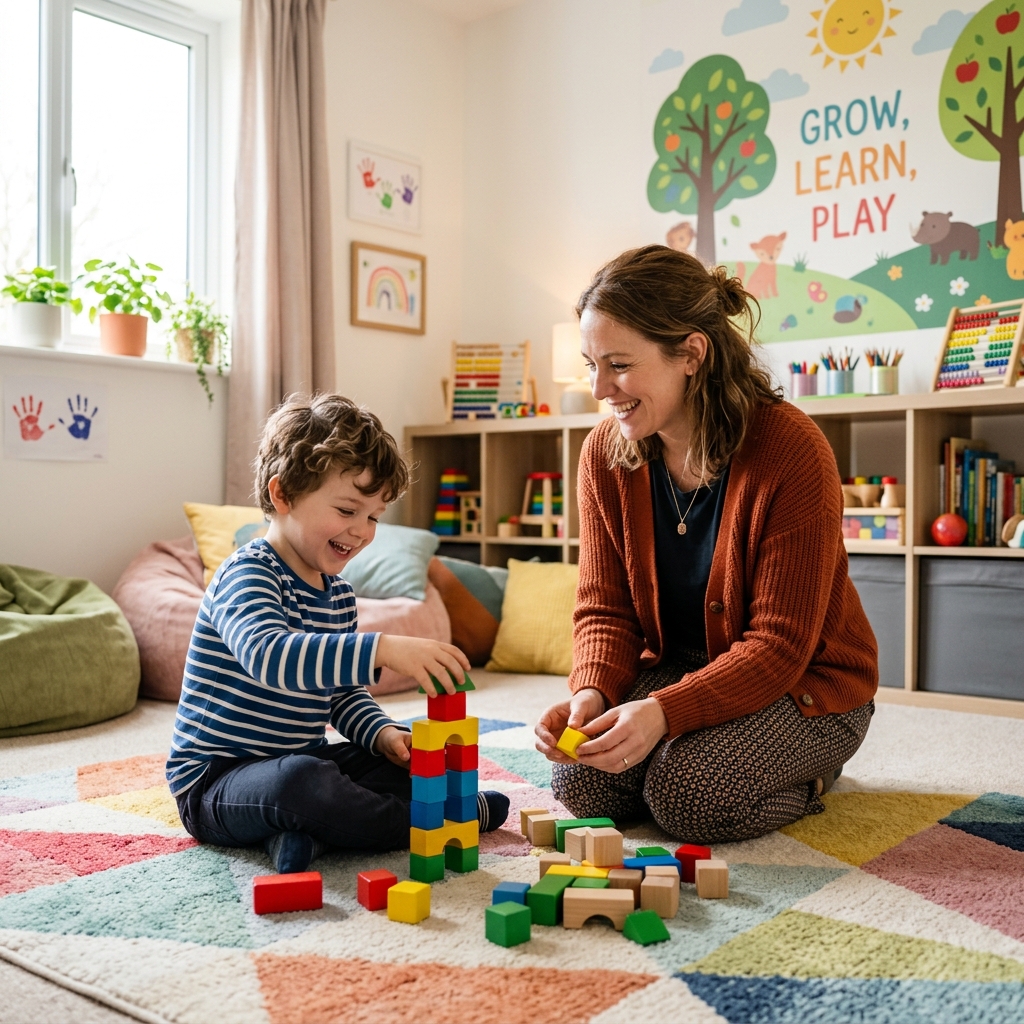
Hearing the word "autism" can bring up a lot of questions for parents. You might be wondering what it means for your child’s future, how to best support them, or what steps to take next. The most important thing to know is that autism is simply a different way of experiencing the world, and with the right support, your child can absolutely thrive.
At WellCare & Nurture Pediatric Therapy in Colorado Springs, we believe in a neurodiversity-affirming approach. That means we don't try to "fix" autism; instead, we focus on helping your child build skills, gain independence, and confidently navigate their environment while honoring who they are.
What is Autism Spectrum Disorder (ASD)?
Autism Spectrum Disorder (ASD) is a developmental condition that affects how a person communicates, interacts with others, and experiences the world around them. It is called a "spectrum" because it looks incredibly different in every single child.
Some children with autism are highly verbal but struggle with social nuances. Others may be non-speaking and use alternative ways to communicate (like AAC devices). Some may have intense sensory sensitivities, while others actively seek out deep pressure or movement.
Core Areas of Difference
While every child is unique, autism generally involves differences in two main areas:
1. Social Communication and Interaction Children might have difficulty interpreting body language, taking turns in conversation, maintaining eye contact (if it feels uncomfortable to them), or understanding the unwritten "rules" of social play.
2. Restricted or Repetitive Behaviors and Interests This can look like repeating certain words or phrases (echolalia), having intense and passionate interests in specific topics, needing strict routines, or engaging in repetitive movements like hand-flapping or spinning (often called "stimming," which is a natural way to self-regulate).
Early Signs to Look For
While autism can be diagnosed at any age, early signs often appear between 12 and 24 months. You might notice your child:
- Not responding to their name by 12 months.
- Avoiding eye contact or preferring to play alone.
- Delayed speech and language skills.
- Getting highly upset by minor changes in routine.
- Having strong reactions to sensory inputs (like loud noises, bright lights, or certain clothing textures).
- Lining up toys or playing with them the exact same way every time.
(If you are noticing some of these signs, read our detailed guide on The Early Signs of Autism.)
How Pediatric Therapy Supports Autistic Children
If your child receives an autism diagnosis, early intervention through pediatric therapy can make a profound difference in their daily life. The goal is never to change who your child is, but to give them the tools they need to communicate their needs, regulate their emotions, and participate safely in their community.
Because autism affects multiple areas of development, a collaborative approach is often best:
Applied Behavior Analysis (ABA)
Modern, trauma-assumed ABA Therapy focuses on teaching meaningful skills in a positive, play-based way. It can help children build functional communication, develop self-care routines, navigate social interactions, and reduce behaviors that are harmful or unsafe.
Occupational Therapy (OT)
Autistic children often experience sensory processing differences. Occupational Therapy helps them regulate their nervous systems. OTs also work on fine motor skills (like holding a pencil or using utensils) and daily living skills (like dressing and feeding), making daily routines easier for the whole family.
Speech-Language Pathology (SLP)
Speech Therapy goes far beyond just talking. SLPs help autistic children build receptive language (understanding what is said) and expressive language (sharing thoughts and needs). If a child is non-speaking or has limited speech, an SLP can introduce Augmentative and Alternative Communication (AAC) systems to give them a voice.
Physical Therapy (PT)
Some autistic children experience low muscle tone, poor coordination, or delayed motor skills. Physical Therapy helps build strength, balance, and body awareness so they can safely navigate playground equipment and participate in physical activities.
What Should You Do Next?
If you suspect your child might be autistic, the first step is to speak with your pediatrician about a developmental screening or an evaluation with a developmental pediatrician or child psychologist.
You do not need to wait for an official diagnosis to start seeking support. If your child is struggling with speech, sensory processing, or daily routines, therapy can begin right away.
At WellCare & Nurture, we are here to support your family every step of the way. You don't have to navigate this journey alone.
Is your child showing signs of needing support?
If the topics in this post sound like your child, our team of pediatric specialists is here to help. We provide personalized ABA, Occupational, Physical, and Speech Therapy in Colorado Springs.
Schedule a Free Screening