
Sibling Relationships When One Child Has Special Needs
October 2, 2026 • WellCare & Nurture Team
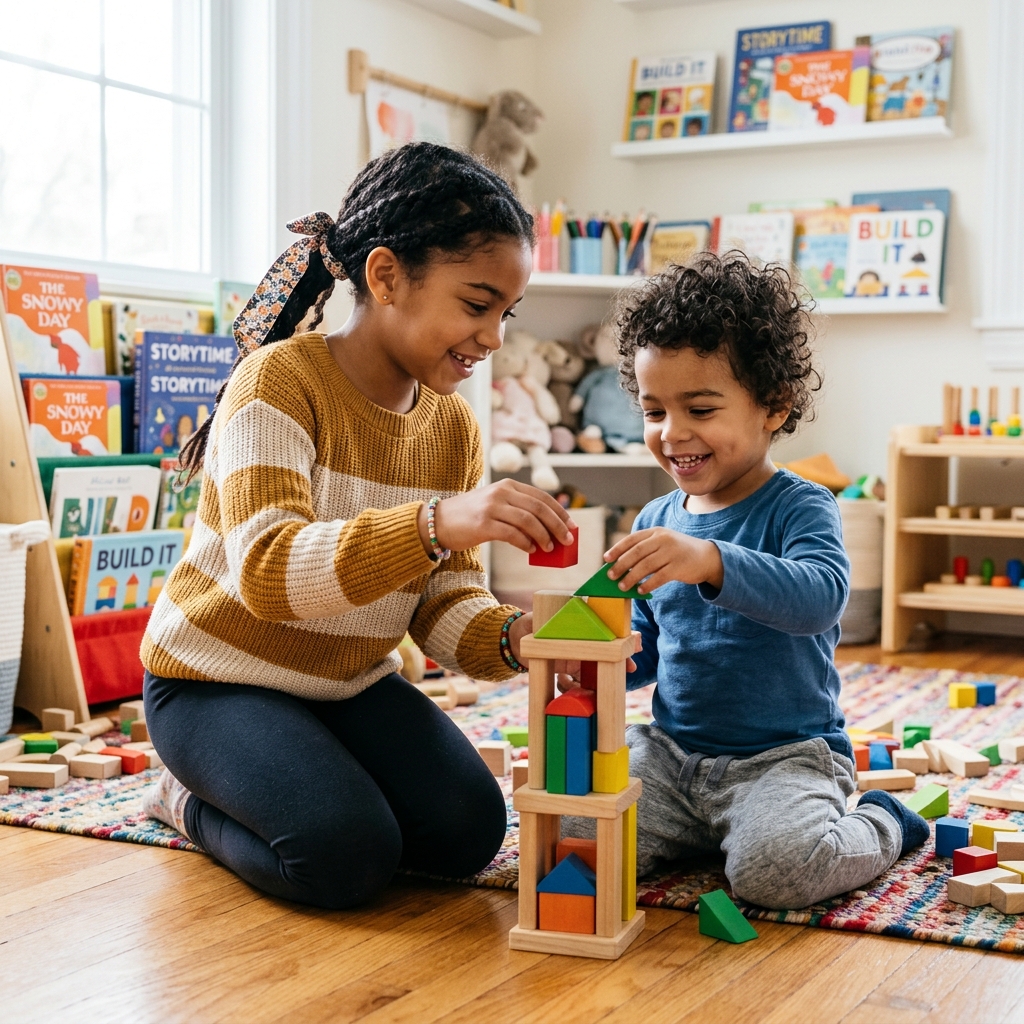
The Whole Family Is Affected
When your child receives a diagnosis or starts therapy, the focus naturally shifts to that child. Appointments, strategies, accommodations, research — it takes enormous energy. And in the process, siblings sometimes get less attention than they need.
This isn't a failure of parenting. It's the reality of having a child with additional needs. But acknowledging it is the first step toward supporting every child in your family.
What Siblings May Experience
Positive Emotions
- Pride in their sibling's accomplishments
- Empathy and compassion beyond their years
- Resilience and adaptability
- Maturity and emotional intelligence
Challenging Emotions
- Jealousy — "Why does she get more attention?"
- Guilt — "I shouldn't be mad, they can't help it"
- Embarrassment — especially in public or with peers
- Worry — about their sibling's future, about their own health
- Resentment — when family plans change because of their sibling's needs
- Loneliness — feeling like the "invisible" child
All of these feelings are normal and valid. The goal isn't to prevent them — it's to create space for siblings to feel, express, and process them.
Signs a Sibling May Be Struggling
- Acting out or regressing in behavior
- Becoming overly "perfect" or self-sufficient (parentified child)
- Withdrawing from family activities
- Changes in school performance
- Physical complaints (headaches, stomachaches)
- Expressing resentment directly: "You only care about [sibling]"
- Taking on a caretaker role with their sibling
Strategies for Supporting Siblings
1. One-on-One Time
Schedule regular, predictable individual time with each child. It doesn't have to be elaborate:
- A weekly "date" (ice cream run, walk, library trip)
- 15 minutes of undivided attention at bedtime
- A shared hobby that's just yours and theirs
The key word is predictable. When siblings know their time is coming, they can wait more patiently.
2. Validate Their Feelings
When a sibling says, "It's not fair," resist the urge to defend or explain. Instead:
- "You're right — it doesn't feel fair sometimes"
- "It's okay to feel frustrated about that"
- "Your feelings matter to me"
Then problem-solve together: "What could we do that would feel better?"
3. Explain — Age-Appropriately
Children fill in gaps with imagination, which is often worse than reality. Give siblings age-appropriate information about their sibling's diagnosis or therapy:
- Ages 3–5: "Your brother's brain works differently. He goes to therapy to practice things that are hard for him, like talking."
- Ages 6–9: "Your sister has autism. That means she sees the world differently. Therapy helps her learn skills that don't come as naturally to her."
- Ages 10+: Honest, detailed conversations. Answer their questions. Let them read about the diagnosis if they want.
4. Include Them
When appropriate, involve siblings in therapy goals:
- They can be play partners during home practice
- Older siblings can learn communication strategies (especially for AAC)
- Let them attend a therapy session occasionally so they understand what happens
- Celebrate the whole family's role in progress
5. Watch for Parentification
Some siblings naturally take on a caretaker role. While some responsibility is healthy, watch for signs that it's become a burden:
- Always watching or managing their sibling's behavior
- Sacrificing their own activities for their sibling's needs
- Feeling responsible for their sibling's safety or happiness
- Difficulty being a "regular kid" with peers
It's okay to say: "You don't have to be in charge. That's my job."
6. Connect Them with Peers
Sibling support groups and workshops (in-person or online) help children realize they're not alone. Organizations like the Sibling Support Project (siblingsupport.org) offer resources specifically for brothers and sisters of children with special needs.
When to Seek Support for Siblings
Consider connecting a sibling with a counselor or therapist if:
- Emotional or behavioral changes persist beyond a few weeks
- They express ongoing sadness, anger, or hopelessness
- School performance drops significantly
- They become socially isolated
- Physical complaints increase without medical cause
A Family Therapy Perspective
At WellCare & Nurture, we believe in treating the whole family system. When we work with your child, we consider the impact on siblings and parents too. We're always happy to:
- Include siblings in therapy sessions when helpful
- Provide strategies for sibling relationships
- Recommend family counseling resources
- Answer siblings' questions about their brother or sister's therapy
Every child in your family deserves to feel seen, heard, and valued.
📋 Schedule a family conversation | 📞 (719) 598-5555
For more sibling support resources, visit the Sibling Support Project or the Autism Society's Family Resources.
Is your child showing signs of needing support?
If the topics in this post sound like your child, our team of pediatric specialists is here to help. We provide personalized ABA, Occupational, Physical, and Speech Therapy in Colorado Springs.
Schedule a Free Screening