
When Your Child Struggles at School: Warning Signs and What to Do
September 11, 2026 • WellCare & Nurture Team
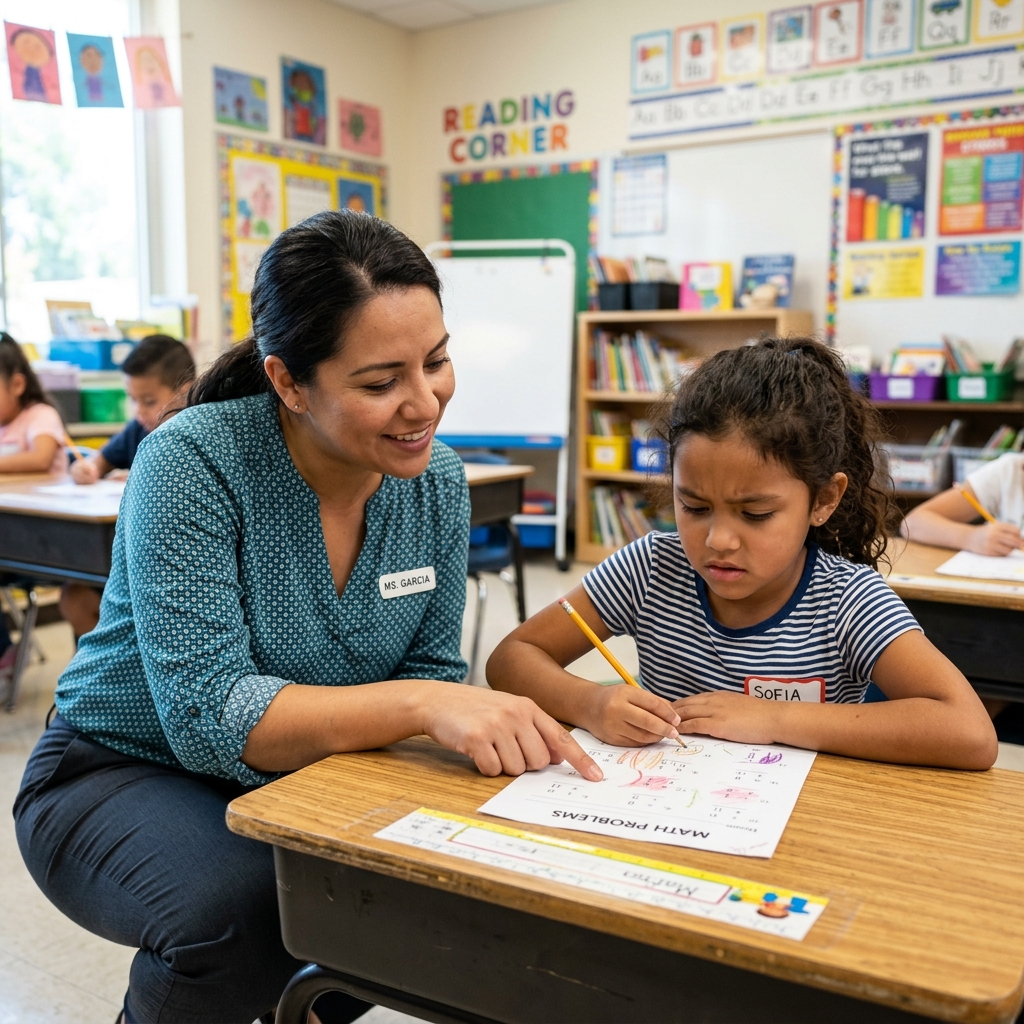
The First Month of School Tells You a Lot
The honeymoon period is over. By mid-September, the novelty of new school supplies has worn off, and patterns start to emerge. If your child is struggling, this is the time to pay attention — not panic, but pay attention.
Early identification of learning and developmental challenges is one of the most impactful things you can do for your child's long-term success.
Academic Warning Signs by Age
Preschool / Pre-K
- Difficulty holding a crayon or pencil
- Can't recognize their own name in print
- Struggles to follow 2-step classroom directions
- Not interested in books, stories, or letter activities
- Difficulty with scissors, buttons, or zippers
Kindergarten – 1st Grade
- Can't identify letters or letter sounds
- Difficulty rhyming words
- Struggles to write their name
- Frequently reverses letters or numbers
- Trouble sitting still for short activities
- Not reading simple words by end of 1st grade
2nd – 5th Grade
- Reading significantly below grade level
- Avoids reading aloud or writing assignments
- Difficulty with math concepts that peers grasp
- Poor handwriting that affects legibility
- Takes much longer than peers to complete work
- Frequent complaints of stomachaches or headaches on school days
Behavioral Warning Signs
Sometimes the behavior IS the communication:
- Meltdowns before or after school — may signal anxiety or overwhelm
- Refusal to do homework — could be frustration with the material, not defiance
- Aggression or withdrawal — may indicate social struggles or sensory overload
- "Class clown" behavior — sometimes masks difficulty with the material
- Physical complaints — stomachaches and headaches can be stress responses
Could It Be Something Else?
School struggles don't always mean what they appear to mean on the surface:
| What It Looks Like | What It Might Be |
|---|---|
| "Won't pay attention" | ADHD, anxiety, or auditory processing difficulty |
| "Lazy about homework" | Learning disability, executive function challenges |
| "Behavior problems" | Sensory processing disorder, communication frustration |
| "Shy / no friends" | Social communication disorder, autism |
| "Sloppy handwriting" | Fine motor delay, visual-motor integration difficulty |
| "Can't sit still" | Sensory-seeking needs, need for movement breaks |
What to Do: A Step-by-Step Guide
Step 1: Document What You're Seeing
Keep a log for 2 weeks:
- What specific behaviors or struggles are you noticing?
- When do they happen (morning, after school, during homework)?
- What seems to help or make it worse?
- What is the teacher reporting?
Step 2: Talk to the Teacher
Schedule a meeting (not a hallway conversation) and bring your notes. Ask:
- "What are you seeing in the classroom?"
- "How does my child compare to peers in these areas?"
- "What interventions have been tried?"
- "Do you think an evaluation might be helpful?"
Step 3: Request a Screening or Evaluation
You have options:
- Through the school: Request a special education evaluation in writing (the district has 60 days to complete it)
- Through a private provider: A faster timeline with more comprehensive assessment
- Through us: We offer free developmental screenings to help determine if a full evaluation is warranted
Step 4: Get Support — Don't Wait
Whether it's tutoring, therapy, accommodations, or a combination — the sooner you intervene, the better the outcome. Children don't "grow out of" learning difficulties; they need explicit support to catch up.
How Therapy Supports School Performance
Therapy isn't just for "clinical" settings — it directly impacts classroom success:
- Speech therapy improves reading comprehension, written expression, and social communication
- OT addresses handwriting, sensory needs, attention, and self-regulation
- PT supports posture, endurance, and physical confidence in the school environment
- ABA builds focus, task completion, social skills, and behavioral strategies
We coordinate with teachers and schools to ensure therapy goals align with educational goals.
You Are Your Child's Best Advocate
No one knows your child like you do. If something feels off, pursue it. Don't be discouraged by "wait and see" advice if your gut tells you otherwise.
- 📋 Schedule a free screening
- 🌱 Little Leaps Milestone Checker
- 📞 (719) 598-5555
WellCare & Nurture works closely with schools throughout the Colorado Springs area to support children's academic and developmental success.
Is your child showing signs of needing support?
If the topics in this post sound like your child, our team of pediatric specialists is here to help. We provide personalized ABA, Occupational, Physical, and Speech Therapy in Colorado Springs.
Schedule a Free Screening